Commercial Refrigeration

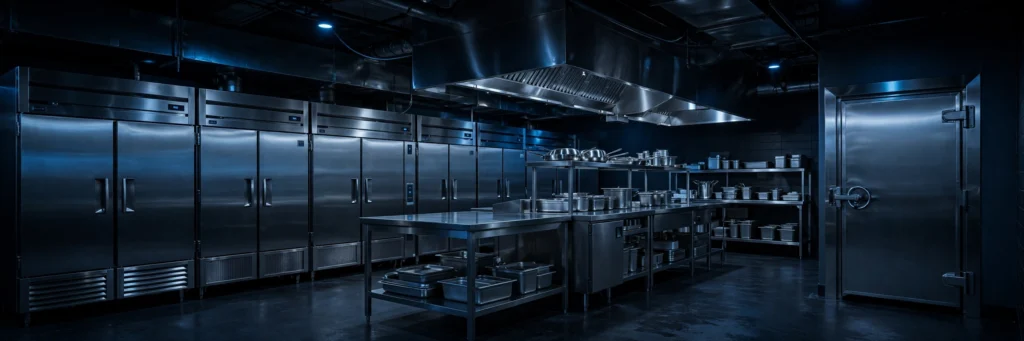
Commercial restaurant kitchen with stainless steel refrigeration equipment
Commercial Refrigeration

The Real Cost of Skipping Refrigeration Maintenance

The Real Cost of Skipping Refrigeration Maintenance Walk into any high-performing restaurant kitchen and you’ll find the same thing behind the scenes: refrigeration that just works — walk-in coolers holding steady temperature, freezers frost-free, ice machines producing clean ice around the clock. That’s not luck. It’s maintenance. Here’s what “we’ll deal with it later” actually costs: Spoiled product A single walk-in cooler failure can destroy $2,000–$10,000 in food overnight. One event wipes out years of “savings” from skipped maintenance. Emergency repair premiums A planned maintenance visit is a fraction of a 2 AM emergency call with expedited parts. When your cooler dies on a Saturday night, you pay for speed — and you have no leverage to negotiate. Health code violations Inspectors check temperatures, ice machine sanitation, and equipment condition. A dirty condenser or a moldy ice bin doesn’t just risk points — it risks your reputation if the report goes public. Lost service and lost customers No ice, no cold storage, no service. A kitchen that can’t operate during peak hours loses revenue it never gets back — and regulars who went elsewhere. Shortened equipment life A commercial compressor that should last 10–15 years can die in 5 without basic care. At $2,000–$5,000 per replacement, neglect is the most expensive maintenance plan there is. The alternative is simple: scheduled preventive maintenance — coil cleaning, gasket checks, temperature verification, drain clearing — performed quarterly by technicians who know commercial equipment. It’s predictable, it’s budgeted, and it keeps the health inspector happy. Frostline Boston offers preventive maintenance plans for restaurants, cafés, and stores across Greater Boston — plus 24/7 emergency response when it matters most. Call (857) 626-1272.
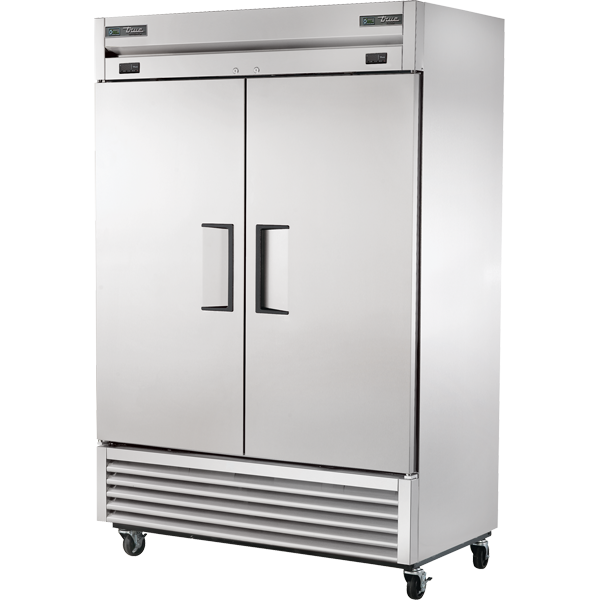
True commercial refrigerator
Commercial Refrigeration

True Commercial Freezer Maintenance: A Quarterly Guide for Boston Restaurants

True Commercial Freezer Maintenance: A Quarterly Guide for Boston Restaurants True freezers are workhorses — you’ll find them in kitchens all over Boston. They’re built to take abuse, but “built tough” doesn’t mean “maintenance-free.” The most expensive True freezer repair we see is almost always the same story: a neglected condenser coil that killed an otherwise healthy compressor. Here’s the quarterly routine that keeps a True commercial freezer running for 15+ years: 1. Verify temperature: 0°F or below A commercial freezer should hold 0°F or colder. Check with a calibrated thermometer, not just the built-in display. If product is soft or you see heavy frost on packaging, the unit is telling you something. 2. Clean the condenser coil True units pull air through the front, which means the coil collects kitchen grease fast. A clogged coil is the #1 killer of True compressors. Brush and vacuum it every 90 days — monthly in heavy-grease environments. 3. Inspect door gaskets Close the door on a dollar bill. If it slides out easily, the gasket isn’t sealing. Worn gaskets let humid air in, which becomes frost on the coil and water on the floor. 4. Check the defrost cycle Excessive frost on the evaporator or product means the defrost heater, timer, or thermostat may be failing. Catch it early and it’s a minor repair; ignore it and you’re looking at a frozen coil and a warm box. 5. Practice door discipline Every unnecessary opening dumps cold air and invites humidity. Train staff: know what you need before you open the door, and close it promptly. 6. Level the unit and check the drain An unlevel freezer drains poorly, and a clogged drain tube backs water into the cabinet. Both take minutes to check. The math is simple: a quarterly maintenance visit costs far less than one emergency compressor replacement — not to mention the product you’d lose while waiting for parts. Frostline Boston maintains True, Turbo Air, Beverage-Air, and all major commercial refrigeration brands across Greater Boston. Call (857) 626-1272.

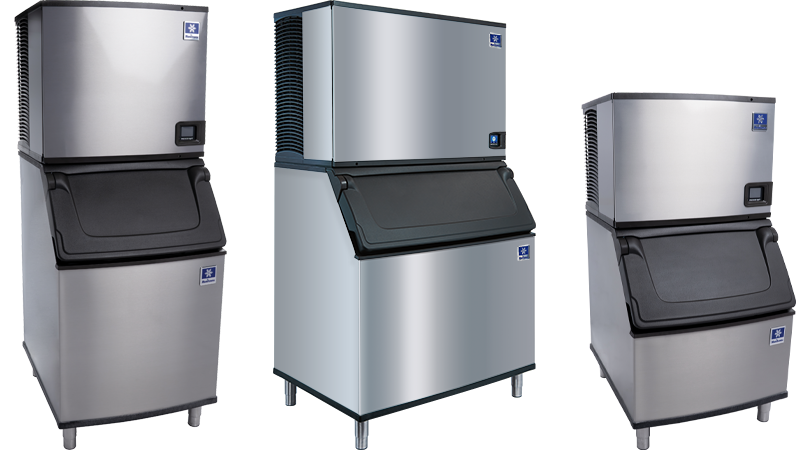
Manitowoc commercial ice machine
Commercial Refrigeration

Cloudy Ice From Your Commercial Ice Machine? Here’s What It’s Telling You

Cloudy Ice From Your Commercial Ice Machine? Here’s What It’s Telling You A Waltham customer called us about their commercial ice machine: the ice was coming out cloudy, and the bin was taking much longer to refill. When our technician opened it up, the story was familiar — an overdue water filter, heavy scale buildup on the evaporator, and a condenser choked with dust. One deep cleaning and a new filter later, the machine was producing clear ice at full speed. Cloudy or slow ice is your machine’s way of asking for help. Here’s what it usually means: 1. Your water filter is overdue Minerals in the water supply cause cloudy ice and scale. Most manufacturers recommend replacing the filter every 6 months — in Boston’s harder-water areas, even more often. A $50 filter protects a $3,000 machine. 2. Scale is building up on the evaporator Scale insulates the evaporator plate, so freeze cycles take longer and harvests get smaller. Descaling is a routine service, but ignore it long enough and you’ll be replacing plates or the whole evaporator. 3. The condenser needs cleaning Like any refrigeration system, an ice machine with a dirty condenser runs hot, cycles poorly, and produces less ice. In a greasy kitchen environment, this happens fast. 4. Drainage problems Slow or blocked drains cause water to sit in the bin, melting fresh ice and forcing the machine to work overtime. We check supply lines and drains on every visit. Why this matters beyond ice quality Health inspectors look closely at ice machines. Scale, slime, and mold inside the bin are common violations — and “ice is food” under the food code. A dirty machine can cost you points on an inspection or worse. Our recommendation: professional cleaning and sanitizing every 6 months, water filter replacement on schedule, and a service call at the first sign of cloudy ice or slow production. It’s the cheapest insurance your bar or restaurant can buy. Frostline Boston services and deep-cleans commercial ice machines from Manitowoc, Scotsman, Hoshizaki, and all major brands across Greater Boston. Call (857) 626-1272.

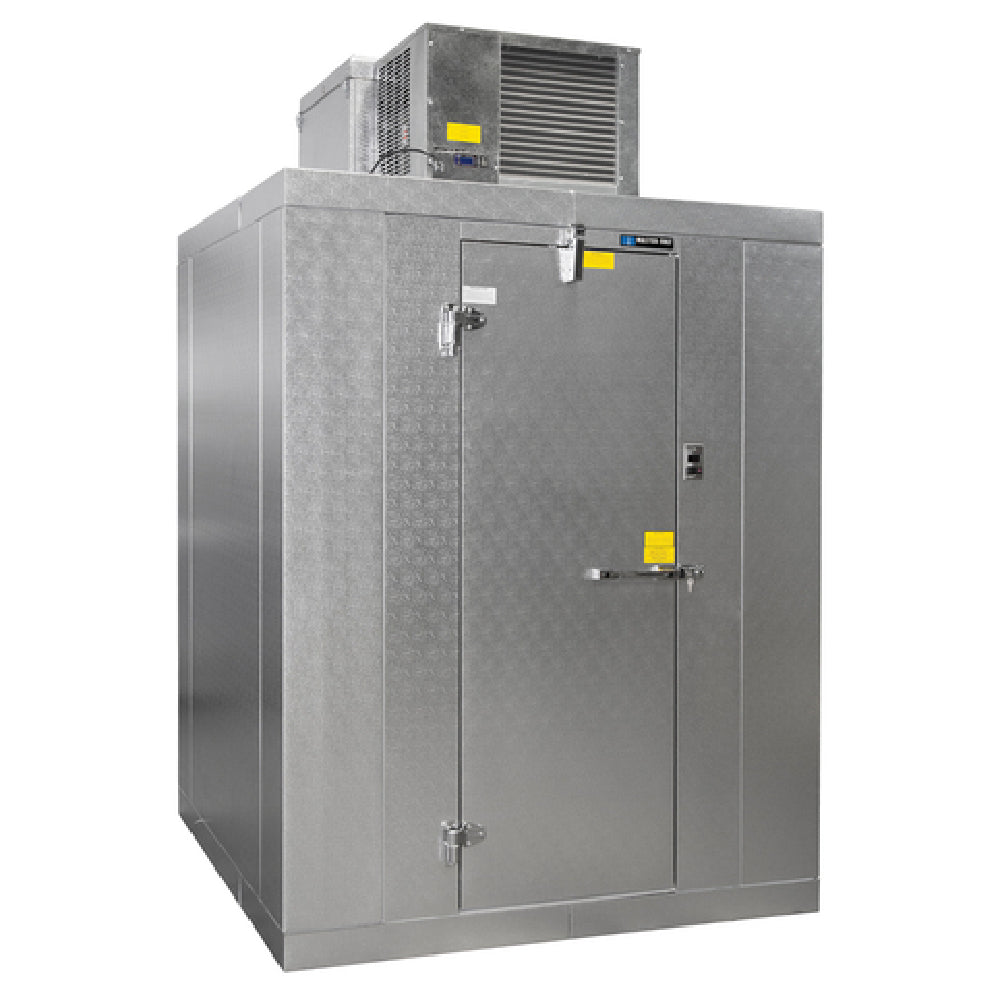
Commercial walk-in cooler
Commercial Refrigeration

Walk-In Cooler Maintenance: The 7-Point Checklist That Prevents Costly Breakdowns

Walk-In Cooler Maintenance: The 7-Point Checklist That Prevents Costly Breakdowns On a busy Friday night, a Boston restaurant called us in a panic: their walk-in cooler couldn’t hold temperature during dinner service. Thousands of dollars in product were at risk. Our technician found the culprits quickly — a worn door gasket, a clogged condenser coil, and boxes stacked against the evaporator, blocking airflow. All three are preventable with basic maintenance. A walk-in cooler failure is one of the most expensive emergencies a restaurant can face. Here’s the checklist our technicians recommend to every food-service client in Greater Boston: 1. Log temperatures twice a day Your cooler should hold 35–38°F. A simple twice-daily log catches slow drifts before they become product loss. If you see 40°F or higher, call for service — don’t wait. 2. Inspect door gaskets monthly Cracked or flattened gaskets let warm, humid air in. That forces the compressor to run nonstop and ices up the evaporator coil. Replacing a gasket costs a fraction of a compressor. 3. Clean the condenser coil every 30–90 days Grease and dust on the condenser are the #1 cause of overheating we see in commercial kitchens. A dirty coil makes the system work 30% harder and shortens compressor life dramatically. 4. Keep the evaporator clear Never stack product against the evaporator fan or block airflow with boxes. Leave at least 6 inches of clearance so cold air circulates evenly. 5. Check the door closer and hinges A door that doesn’t seal shut on its own is an energy leak and a food-safety risk. Adjust or replace closers at the first sign of trouble. 6. Clear the drain line Clogged condensate drains cause water pooling and ice buildup inside the box. Flush the line quarterly. 7. Schedule professional maintenance twice a year A trained technician checks refrigerant charge, electrical connections, defrost controls, and fan motors — the things you can’t see until they fail. Bottom line: most walk-in emergencies we respond to in Boston started as small, visible problems weeks earlier. A maintenance routine costs far less than one lost Friday night of product. Frostline Boston provides priority commercial refrigeration service across Greater Boston, with 24/7 emergency response for business clients. Call (857) 626-1272.

Scroll to Top